
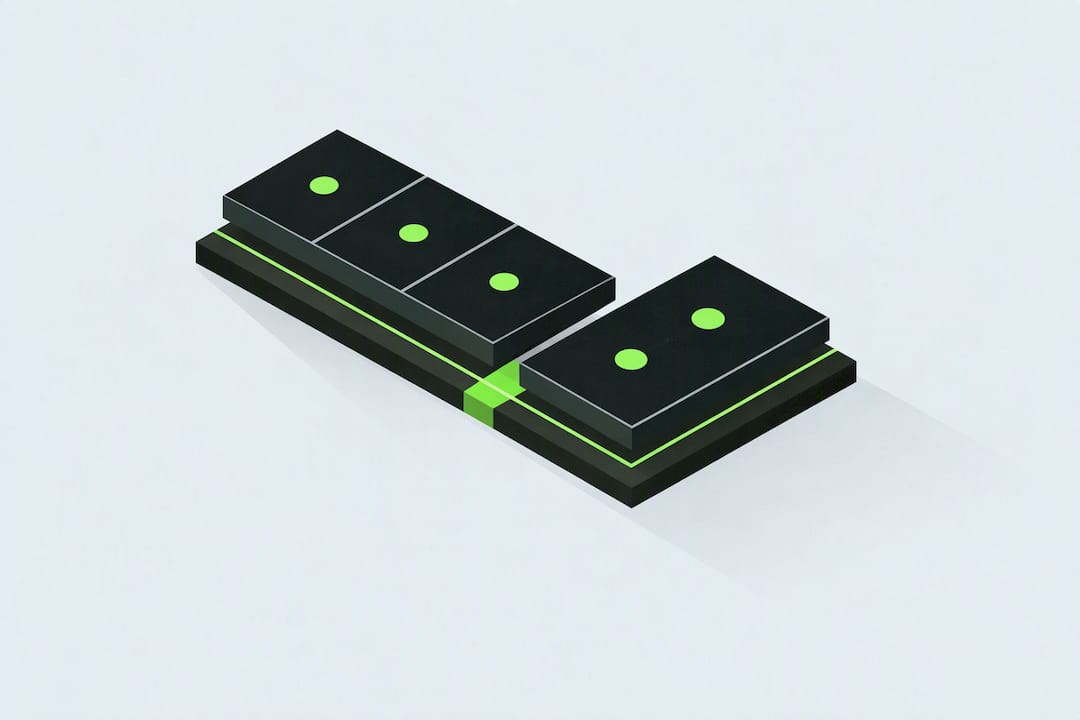
A polyrhythm happens when two different rhythmic subdivisions play at the same time over the same pulse, written as a ratio like 3:2 or 4:3. Once you understand the ratio and the counting method behind it, you can start clapping basic polyrhythms within a single practice session and build a short daily routine from there.
TL;DR:
- Most beginner polyrhythms start with simple ratios like 3:2 or 4:3, which align every 6 or 12 subdivisions and are easiest to internalize.
- Practicing each ratio slowly at around 60 beats per minute, first by isolating each part and then combining them, helps build solid rhythmic feel.
- Short daily sessions of 3 to 10 minutes focusing on one ratio improve mastery more effectively than long, unfocused practice.
- Using a visual sequencer can clarify grid alignment and accelerate internalization, but traditional metronome and clapping routines are sufficient for learning.
- Recognizing polyrhythms in music involves identifying the steady beat, secondary pattern, and roughly estimating the ratio during listening.
Table of Contents
- What is a polyrhythm and how does the math work?
- Hearing 3:2, 2:3, 4:3, and 4:5 in practice
- Building a step-by-step practice routine
- Using a visual sequencer to speed up practice
- Where polyrhythms show up in real music
- Where to go from here
- An instructor's note on the learning curve
- Sources
- FAQ
What is a polyrhythm and how does the math work?
A polyrhythm is the simultaneous use of two or more rhythms that do not divide evenly into each other, according to Baylor's open rhythm textbook. Both parts share the same underlying pulse, but one voice subdivides it into a different number of equal parts than the other. That's what separates a polyrhythm from just playing two different rhythms loosely together: the parts lock to a shared grid, they just slice it differently.

The label X:Y tells you the two subdivisions. In a 3:2 polyrhythm, one part plays three evenly spaced notes while the other plays two, in the same span of time. Flip the emphasis and you get 2:3, which uses the same two numbers but shifts which pulse feels like the downbeat, changing how the groove sits.
To count any polyrhythm, find the least common multiple (LCM) of the two numbers and subdivide the beat into that many equal parts, a method detailed in Holy Cross's polyrhythm lecture notes:
- 3:2 uses an LCM of 6, so the two layers align every six subdivisions.
- 3:4 uses an LCM of 12, giving you a finer grid to count against.
- 4:5 uses an LCM of 20, one of the trickier beginner ratios.
When the numbers share a common divisor, like 4:2, they simplify to a smaller ratio and stop being a true polyrhythm. That's why 4:2 just sounds like 2:1, a straightforward subdivision rather than a layered conflict of pulses.
Hearing 3:2, 2:3, 4:3, and 4:5 in practice
The fastest way to understand a polyrhythm is to hear it before you try to play it. Start with a metronome around 60 to 80 beats per minute and work through these four ratios in order:
- 3:2: Clap the "3" side using the syllables "hot cup of tea," landing one syllable per beat, while tapping your foot on two even pulses underneath, a phrasing trick recommended by Musical U's beginner polyrhythm guide.
- 2:3: Same two numbers, reversed emphasis. Now the foot carries the faster pulse and the clap lands on two spaced beats, which shifts where the groove feels like it's landing.
- 4:3: Subdivide the beat into 12 equal parts and assign four claps to one hand and three to the other, a workable approach on piano or guitar where each hand can hold its own subdivision.
- 4:5: Subdivide into 20 parts. This ratio is denser than the others, so slow the metronome down further and expect it to take longer to feel natural.
Pro Tip: Say each subdivision out loud on its own before combining both parts. Isolating the sound of "five equal parts" or "four equal parts" makes the eventual overlap far less confusing.
Building a step-by-step practice routine
Counting a polyrhythm in your head only gets you so far. The parts have to live in your hands, feet, and voice before they feel stable.
Start every new ratio slow, around 60 beats per minute, and subdivide mentally to the LCM before you add any physical motion. Holy Cross's lecture notes point to that shared grid as the anchor that keeps both parts honest once you start layering them.
- Tap the pulse with your foot and clap only the first part on its own, repeating until it feels automatic.
- Stop, then switch: tap the pulse and clap only the second part, again until it's steady without thinking.
- Bring both hands together, foot still marking the pulse, at the same slow tempo.
- Once the two parts hold steady for several repetitions, raise the metronome by five beats per minute and repeat the cycle.
A short, focused routine works better than a long unfocused one. Musical U's introductory lesson points to short daily sessions on a single ratio, at a slow tempo with gradual speed increases, as the more reliable path than marathon practice sessions.
- Spend 3 to 10 minutes per ratio each day rather than trying to master everything at once.
- Move to the next ratio only after the current one feels stable at a comfortable tempo.
- Record short clips of yourself clapping or playing so you can hear drift you might not notice in the moment.
One of the most common ratios used to introduce polyrhythms has an LCM of just 6, since 3:2 aligns every six subdivisions, which is why most beginner routines start there before moving to denser ratios.
If the parts drift apart, stop and go back to clapping each one alone. Drift almost always means one hand sped up or slowed down without you noticing, so isolating it again resets your internal sense of the subdivision before you recombine the parts.
Using a visual sequencer to speed up practice
A metronome and a clapping routine are enough to learn any polyrhythm in this article. If you already compose in a digital audio workstation, though, a visual sequencer can shorten the time it takes to internalize a new ratio by letting you see both subdivisions lined up before you try to feel them.
A visual sequencer can display subdivisions on separate tracks, which makes it easier to check that a 4:3 or 4:5 grid is actually aligned the way you think it is. You can build a short LCM-based loop, four to eight bars, and export it as MIDI to audition in your own DAW at a range of tempos.
- Set up two tracks with differing subdivision counts, matching the ratio you're practicing.
- Loop a short section so you can hear the alignment repeat without resetting playback each time.
- Slow the loop down further than your metronome practice to isolate anything that still feels unclear.
Pro Tip: Treat the sequencer as a listening aid, not a requirement. The clapping and metronome routine above works on its own, and the software is only useful once you already know what a ratio is supposed to sound like.
Where polyrhythms show up in real music
Polyrhythms aren't a classroom exercise invented for practice pads. They show up across West African drumming traditions, New Orleans second-line grooves, jazz drumming, and the layered patterns of contemporary minimalist composition, a range of contexts discussed in UC Irvine's academic paper on polyrhythm and polymeter, which points to composers like Steve Reich alongside cross-cultural drumming sources.
Train your ear with three short tasks whenever you listen to a track you suspect uses a polyrhythm:
- Find the anchor pulse first, the steady beat everything else seems to sit on top of.
- Listen for a repeating secondary pattern that doesn't line up evenly with that pulse.
- Try to name the ratio, even roughly, before checking whether you're right.
Once a ratio feels familiar in your hands, try dropping it into a short improvisation or a section of a song you're writing rather than saving it only for practice sessions.
Where to go from here
A polyrhythm is two subdivisions of the same pulse playing at once, and the ratio between them tells you exactly how to count and practice it. Work through 3:2, then 4:3, then 4:5 in that order, giving each ratio a few minutes of daily practice before moving on.
Once a ratio holds steady at a comfortable tempo, try writing it into a short phrase rather than only drilling it in isolation. A metronome, a recording app, and patience get you through every exercise in this article.
An instructor's note on the learning curve

Polyrhythms feel abstract at first and then, almost suddenly, click into place. That shift tends to come from short, consistent repetition rather than long sessions or trying to force the math to make sense in your head.
The payoff is real: once you can feel two pulses at once, you have more rhythmic options for both composition and improvisation, and phrases that used to sound impossible start to feel like ordinary choices. Record yourself often. Progress on a polyrhythm is easy to underestimate in the moment and much clearer a week later.
— Vigilantie
Sources
This guide draws on Baylor's rhythm textbook, Holy Cross's lecture notes, the Berklee PULSE polyrhythm lesson, and Musical U's beginner tutorial.
- Rhythm (Baylor Open Books) — Chapter on polyrhythms
- Polyrhythms lecture notes (Holy Cross)
- Making sense of polyrhythms (Musical U)
FAQ
Can you explain polyrhythms in simple terms?
A polyrhythm is two different rhythmic patterns played at the same time over the same beat, most often written as a ratio such as 3:2. One part plays three even notes while the other plays two, and Baylor's rhythm textbook describes this as rhythms that don't readily derive from one another.
How do you remember a 5 against 4 polyrhythm?
Subdivide the beat into the least common multiple of the two numbers, which for 5 against 4 is 20, and count that grid slowly before adding any phrasing tricks. Mnemonic phrases work for simpler ratios like 3:2, but denser combinations usually respond better to slow metronome drilling than to a memorable phrase.
What are some easy polyrhythms for beginners?
Most beginners start with 3:2, since its LCM of 6 makes it the easiest grid to count, before moving to 4:3, which uses an LCM of 12. Once those feel stable, 4:5 is a common next step, though its LCM of 20 makes it noticeably harder.
Are polyrhythms difficult to learn?
Polyrhythms take real practice, but educators emphasize internalizing the feel of both pulses rather than counting them consciously forever, an approach outlined in Berklee's PULSE lesson. Short, slow, daily practice sessions tend to produce steadier progress than occasional long ones.
What tools help you practice polyrhythms beyond a metronome?
A metronome and clapping routine cover every ratio in this guide on their own. Some musicians also use a DAW or a visual sequencer, such as the one built into The DeputIE, to see subdivisions lined up and loop short grids at varying tempos.