
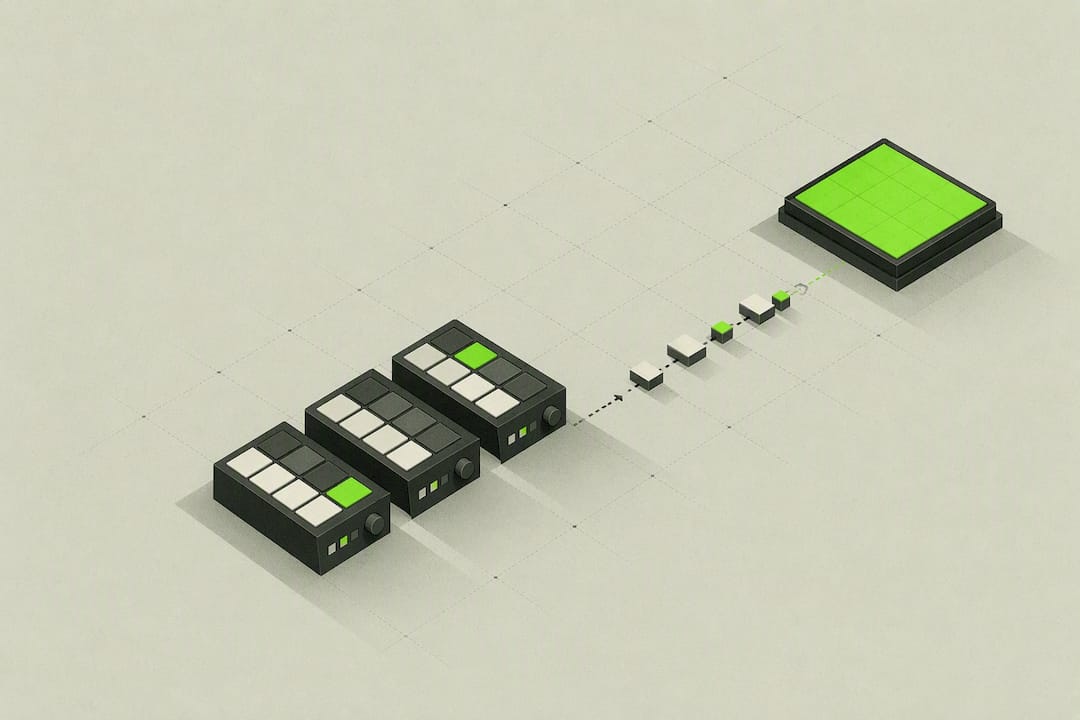
The most useful drum fill ideas are the simplest ones played with confidence: a single-stroke roll around the toms, a 16th-note snare build, and a basic tom-snare alternation will cover most songs you play. Learn a handful of these cold, orchestrate them differently across the kit, and follow the 80/20 rule: spend most of your practice time locked into groove, not fills. If you produce music digitally, sketch variations with velocity crescendos and slight timing offsets so a MIDI fill breathes like a real player hit it.
TL;DR:
- Most effective drum fills are simple, confident, and short, such as a single-stroke roll or a 16th-note snare build, fitting within half or full bars.
- Practice fills slowly, focus on landing precisely on time within the groove, and use structured drills like groove-to-fill alternation to build consistency.
- Switching the orchestration of the same rhythmic motif across different kit pieces creates variety without learning new patterns, maximizing vocabulary.
- When programming MIDI fills, shape velocities for a natural crescendo and introduce slight timing offsets to simulate a live drummer’s subtle variations.
- Prioritize developing a small library of two to three reliable fills, then use displacement and orchestration techniques to expand their musical utility efficiently.
Table of Contents
- Drum Fill Ideas by Skill Level, with Sticking and Timing
- How to Practice Fills So They Actually Stick
- Move One Fill Around the Kit to Get Four
- Programming Drum Fills in a DAW: Getting MIDI to Sound Human
- Turning a Handful of Motifs into a Full Vocabulary
- Why Simple Beats Flashy, Every Time
- Sketching Fill Ideas Digitally Before You Sit Behind the Kit
- Sources
- FAQ
Drum Fill Ideas by Skill Level, with Sticking and Timing
A drum fill is a short rhythmic variation, usually a quarter-bar, half-bar, or full-bar long, that transitions between sections and builds tension before landing back on the groove. That duration matters more than most drummers realize. A fill that overstays a bar tends to fight the song instead of serving it.
Here's a working set organized by difficulty, with sticking patterns and where each one sits on the kit.
Beginner fills (each fits comfortably in a half-bar or full-bar):
- Traditional 8th-note fill. Play straight 8th notes moving from snare to high tom to low tom to floor tom (R L R L pattern, one hand per drum). Keep it in a full bar at first; it's forgiving because there's no syncopation to trip over.
- 16th-note snare build. Stay on the snare and simply increase note density across the bar, quarter notes into 8th notes into 16th notes, finishing with a crash and kick on the downbeat. This works as a half-bar or full-bar fill and teaches dynamic control before it teaches new rhythms.
- Single-stroke roll around the toms. R L R L through snare, high tom, mid tom, floor tom, evenly spaced 16th notes. A quarter-bar version sounds punchy going into a verse; a full-bar version works better heading into a chorus.
- Snare-tom alternation. Alternate two hits on snare, two on a tom, repeating through the bar. It's basic, but beginner-focused instruction consistently points out that clean execution of a simple pattern beats a sloppy attempt at something harder.
Intermediate fills (typically half-bar, sometimes stretched to a full bar):
- Triplet fills. Group the bar into triplets across snare and two toms (R L K, repeated), which creates a rolling feel distinct from straight 16ths.
- Displaced 16th-note patterns. Take a simple four-note motif and shift its starting point by one 16th note each repetition. The rhythm stays identical; the accent placement moves, which makes a single lick sound like three different fills.
- Linear fills. No two limbs hit at the same time. Sequence kick, snare, and tom hits so each voice speaks alone (K R L K R L), which gives the fill a cleaner, less cluttered sound on a recording.
- Conversational snare-tom fills. Trade two-note phrases between snare and tom like a call and response. This one rewards a bit of dynamic shaping, softer on the "call," harder on the "answer."
Advanced fills (full-bar or longer, often crossing the barline):
- Odd-grouping fills (3, 5, 7). Superimpose a 3-note or 5-note grouping over a 4/4 bar so the accents land in a different place each repetition, a classic way to create tension without changing tempo.
- Bonham-style hand-foot triplets. Alternate a triplet between hands and a single kick drum, weaving the foot into the melodic line rather than treating it as a separate part.
- Cymbal-choke punctuation. End a fast fill by crashing and immediately grabbing the cymbal to cut the ring dead, useful for hard stops and hits that need silence right after.
- Hybrid hand/foot motifs. Blend a linear sticking pattern with double kick or heel-toe technique so the fill covers more rhythmic ground in the same bar length.
How to Practice Fills So They Actually Stick
Start every new fill slower than feels necessary. Isolate the sticking with no dynamics and no tempo pressure, get it clean, then layer speed and accents back in. A metronome with subdivided clicks (8ths or 16ths, depending on the fill) keeps you honest about where the beats actually fall.
The real skill isn't playing the fill in isolation. It's landing back on the groove exactly on the downbeat, which is why fills should always be rehearsed inside a song-shaped block rather than on their own. Practicing in 3+1 or 7+1 patterns, three (or seven) bars of straight groove followed by one bar of fill, forces you to resolve the fill instead of just executing it.
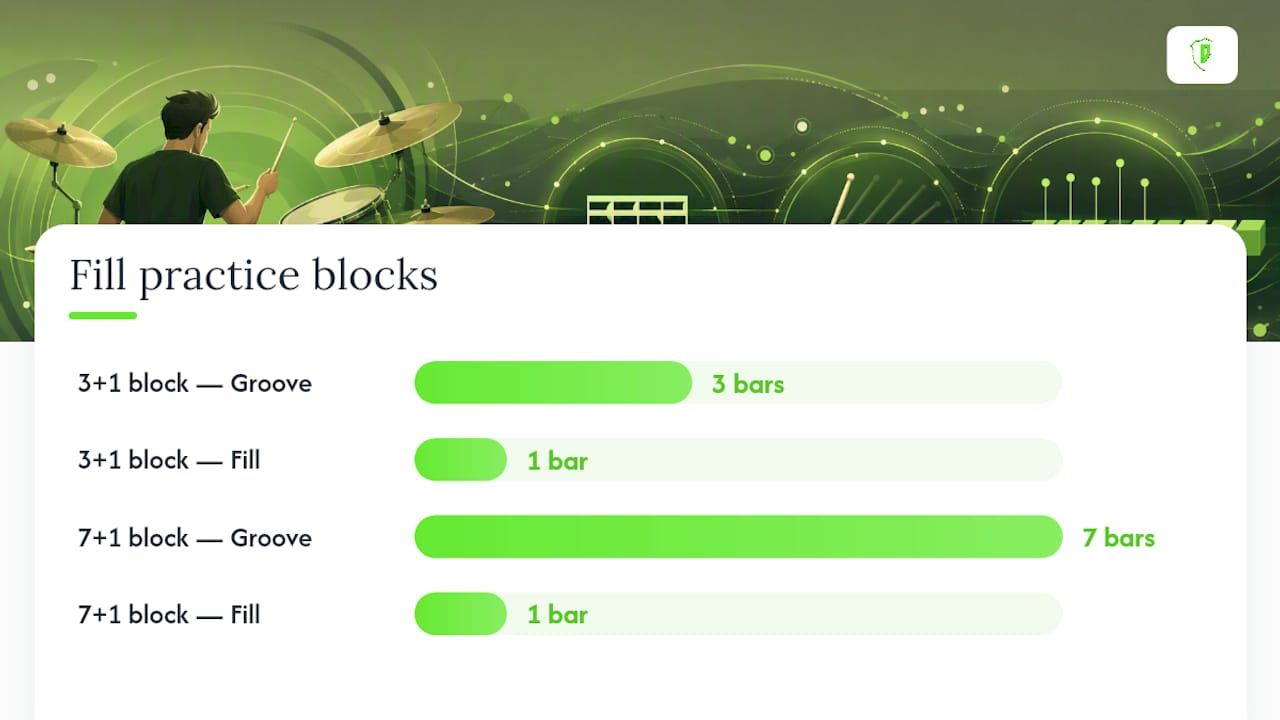
That structure connects to a ratio worth internalizing: the 80/20 rule in drumming means roughly 80% of your practice time should go to solid, consistent groove, and about 20% to fills. If you practice for 30 minutes, that's roughly 24 minutes on time-keeping and 6 on fill vocabulary. Drummers who invert that ratio tend to sound flashy and unsteady at the same time.
Three drills worth running weekly:
- Crescendo snare roll. Play a single-stroke roll on the snare for one full bar, starting at a whisper and building to full volume by the last beat.
- Displacement practice. Take one motif and shift it by a single 16th note each time through, four variations from one lick.
- Groove-to-fill alternation. Loop a groove for four bars, insert a fill on bar four, then repeat with a different fill each pass.
Pro Tip: Record yourself practicing fills inside a groove block, not alone. Listening back, you'll almost always hear timing problems on the return to the groove before you hear them in the fill itself.
Move One Fill Around the Kit to Get Four
Switch-orchestration means keeping a rhythm exactly the same while changing which drum or cymbal plays each note. It's the fastest way to multiply your vocabulary without learning a single new sticking pattern, and re-mapping a set rhythm across toms and cymbals is a well-worn shortcut among working drummers for exactly this reason.
Try this progression on a single 3-note motif:
- Play it as written: right hand on the high tom, left hand on the snare, kick as an accent on the first note.
- Swap the tom assignment: same sticking, but the right hand now moves to the floor tom for a darker, lower voice.
- Add a crash on the first note only, turning a plain fill into a punctuation mark that announces the section change.
- Mute the crash with your hand right after hitting it, which shortens the ring and gives the same fill a tighter, more percussive texture.
Run all four variations back to back and count how different they sound despite being rhythmically identical. That's the whole trick.
Programming Drum Fills in a DAW: Getting MIDI to Sound Human
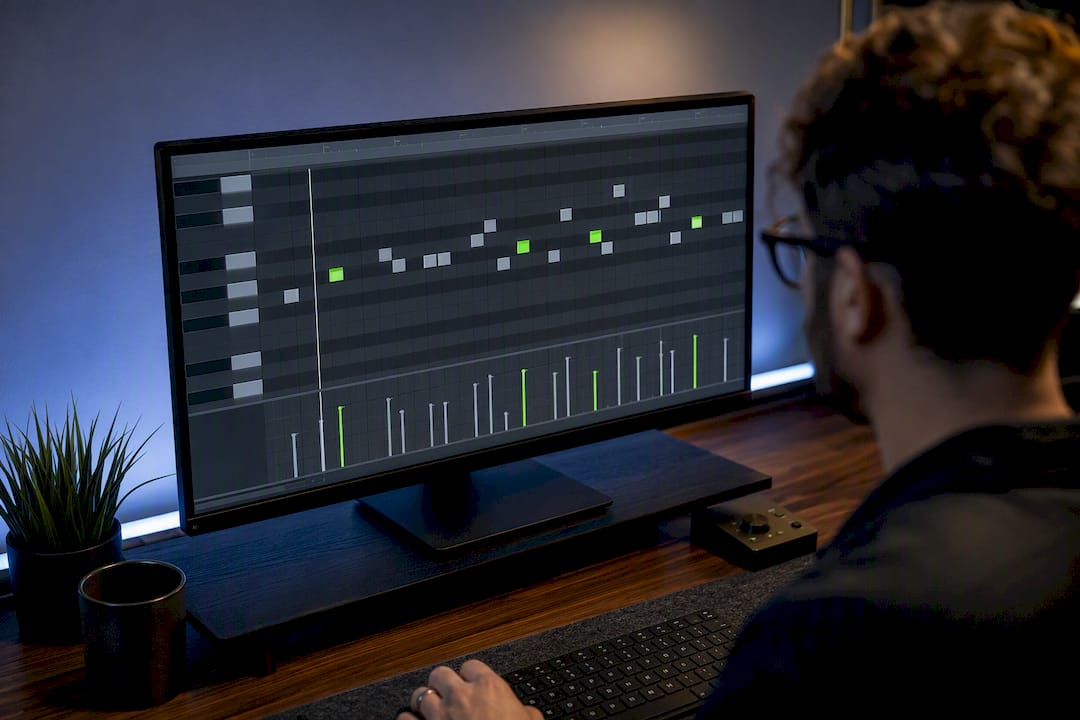
Producers building drum fill patterns from scratch waste a lot of time drawing individual MIDI notes when assembling fills from building blocks gets you to a usable result faster and sounding more natural.
A few habits make a real difference:
- Use GM (General MIDI) mapping so your fills port cleanly between different drum kits and sample libraries without remapping every note.
- Assign fill patterns to logical kit pieces first, then adjust; don't build the rhythm and the orchestration at the same time.
- Shape velocity across the fill for a crescendo instead of leaving every hit at one flat value. A realistic-sounding MIDI fill almost always has a velocity curve, not a velocity plateau.
- Add small, increasing timing offsets, a few milliseconds late on later notes, to simulate the slight rush or drag a real drummer introduces under a fill.
- Export as a stem when you want to test a programmed fill against live instruments in the same session.
Turning a Handful of Motifs into a Full Vocabulary
You don't need fifty fills. You need two or three you can play in your sleep, then the orchestration and displacement techniques above to make each one sound like several. Change dynamics and instrument voicing before you ever touch the rhythm itself. Record every variation you land on; a personal library of ten-second voice memos becomes the fastest reference you'll ever build. Grouping a motif into 3s, 4s, or 5s instead of straight 4/4 phrasing is what gives a fill that "melodic" quality rather than a mechanical one.
Why Simple Beats Flashy, Every Time
The gap between a fill that sounds professional and one that sounds like practicing out loud almost never comes down to technique. It comes down to whether the fill was played in time and resolved cleanly into the next groove. Chase musicality before complexity, and the 80/20 split isn't a suggestion, it's the actual mechanism by which fills start sounding effortless instead of rehearsed.
Try every fill in this article inside a real song, not just on a practice pad. A lick that sounds great in isolation sometimes falls apart the moment it has to fit an actual arrangement, and that's exactly the kind of thing you only learn by testing it against real material.
— Vigilantie
Sketching Fill Ideas Digitally Before You Sit Behind the Kit
Plenty of drummers work out fill ideas entirely by ear at the kit, and that's a fine way to do it. But if you write and produce music on a computer, there's a faster route: sketch the fill in a visual sequencer first, hear how it sits against the rest of the arrangement, and only then commit it to a MIDI file you can drop straight into your DAW.
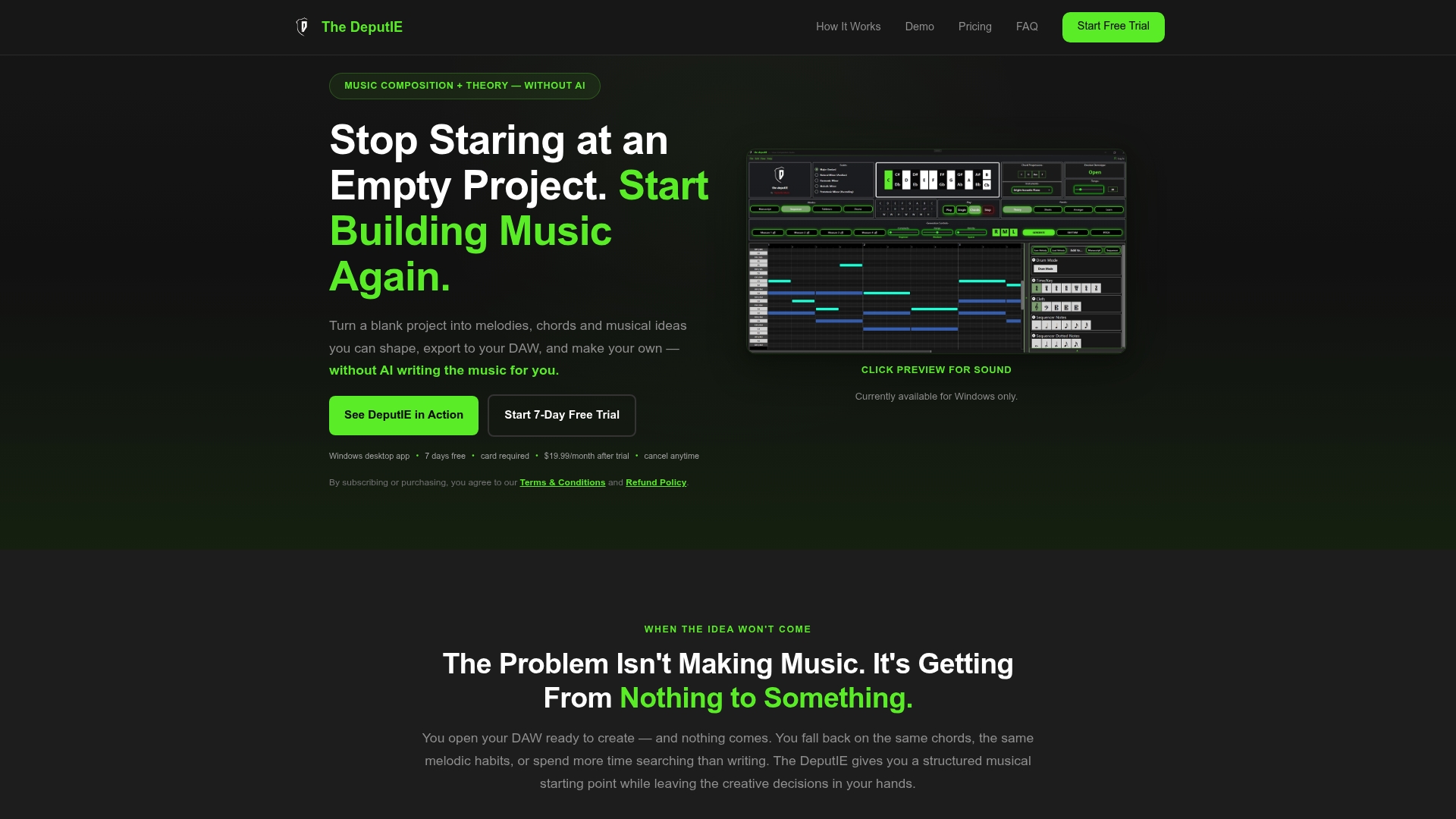
The DeputIE gives you exactly that kind of workspace. Instead of a generic AI beat generator that spits out a finished pattern you either accept or reject, it hands you structured, visual tools rooted in real music theory, so you're building the fill yourself and staying in control of the rhythm, the orchestration, and the feel. You can block out a groove, drop in a fill idea, adjust velocity and timing by hand, and export the whole thing as MIDI to finish in your existing DAW. If you want the exact steps for that export workflow, the DeputIE user manual walks through it piece by piece. Try the composition workspace free for seven days and see how much faster your fill ideas turn into finished MIDI tracks.
Sources
For deeper technical grounding, the Jost Nickel fill book covers groupings and orchestration exercises in detail, and the LANDR drum fill guide breaks down categorized fill types with audio examples.
- Common rock drum fills | Drumeo
- Must-know drum fills and how to program them with MIDI | Native Instruments Blog
- 12 Drum Fills for Beginners | BANG! The Drum School
FAQ
What Are Some of the Best Drum Fill Ideas to Start With?
The traditional 8th-note fill, a 16th-note snare build, and a single-stroke roll around the toms cover the most musical ground for the least technical risk. All three fit inside a half-bar or full-bar and rely on sticking most beginners already know.
What's a Good Drum Fill to Open a Song With?
A short snare build or a simple crash-and-tom pickup works well because it announces the song without stealing focus from the first riff or vocal line. Keep it to a quarter-bar or half-bar so it doesn't delay the entrance.
What Is the 80/20 Rule in Drumming?
It means devoting roughly 80% of practice time to steady, reliable groove and about 20% to fill vocabulary. Drummers who flip that ratio usually end up with flashy fills and shaky time-keeping.
What Is an Example of a Drum Fill?
A single-stroke roll moving R L R L from snare through high tom, mid tom, and floor tom over one bar is a textbook drum fill: short, rhythmically simple, and built to land back on the downbeat.
How Do I Program a Realistic Drum Fill in MIDI?
Use GM mapping for compatibility, build the fill from existing MIDI patterns rather than drawing every note by hand, shape the velocity into a crescendo, and add tiny, increasing timing offsets so the fill doesn't sound perfectly quantized.